
A casserole that stays cold in the middle or cookies that brown unevenly can make you question whether your oven is working. The cause may be a setting, restricted airflow, or a component that needs repair. Gas and electric ovens produce heat differently, so similar symptoms do not always point to the same problem.
Start by noting what changed: Does the oven stay completely cold, take longer than usual to preheat, or struggle only during baking? These observations help narrow the possibilities before anyone replaces a part.
1. Check Settings and Preheating First
Confirm that you selected Bake and started the cooking cycle. Depending on the model, a delayed start or demonstration mode can make an oven appear ready without producing heat. Check the owner's manual for the meaning of unfamiliar display messages.
Verify that the temperature uses the intended unit: Fahrenheit or Celsius.
Allow the oven to preheat according to its manual and the recipe.
Check whether convection conversion automatically adjusts the selected temperature.
Keep the door closed while preheating and baking.
Preheat time varies with oven design, starting temperature, and the number of racks inside. A hidden bake element can also affect how quickly the cavity warms. Compare performance with your model's guidance and its previous behavior instead of assuming every oven should preheat in the same number of minutes.
2. Electric Oven Heating Element or Power Problems
Electric ovens use heating elements to warm the cavity. If an element fails, the oven may remain cold or heat slowly using another element. A working broiler with poor baking performance is a useful clue, but it does not establish which part has failed. A faulty element is one possible cause of an electric oven that will not heat.
Do not diagnose an element solely by whether it glows. Elements cycle during normal operation, some are concealed, and certain elements can produce heat without a visible orange glow. Do not remove covers or touch components to investigate.
A working clock or oven light also does not prove that the heating circuit has the correct electrical supply. Power connections and supply faults require professional testing. If a breaker repeatedly trips, stop using the appliance and arrange an inspection rather than repeatedly resetting it.
3. Gas Oven Ignition Problems
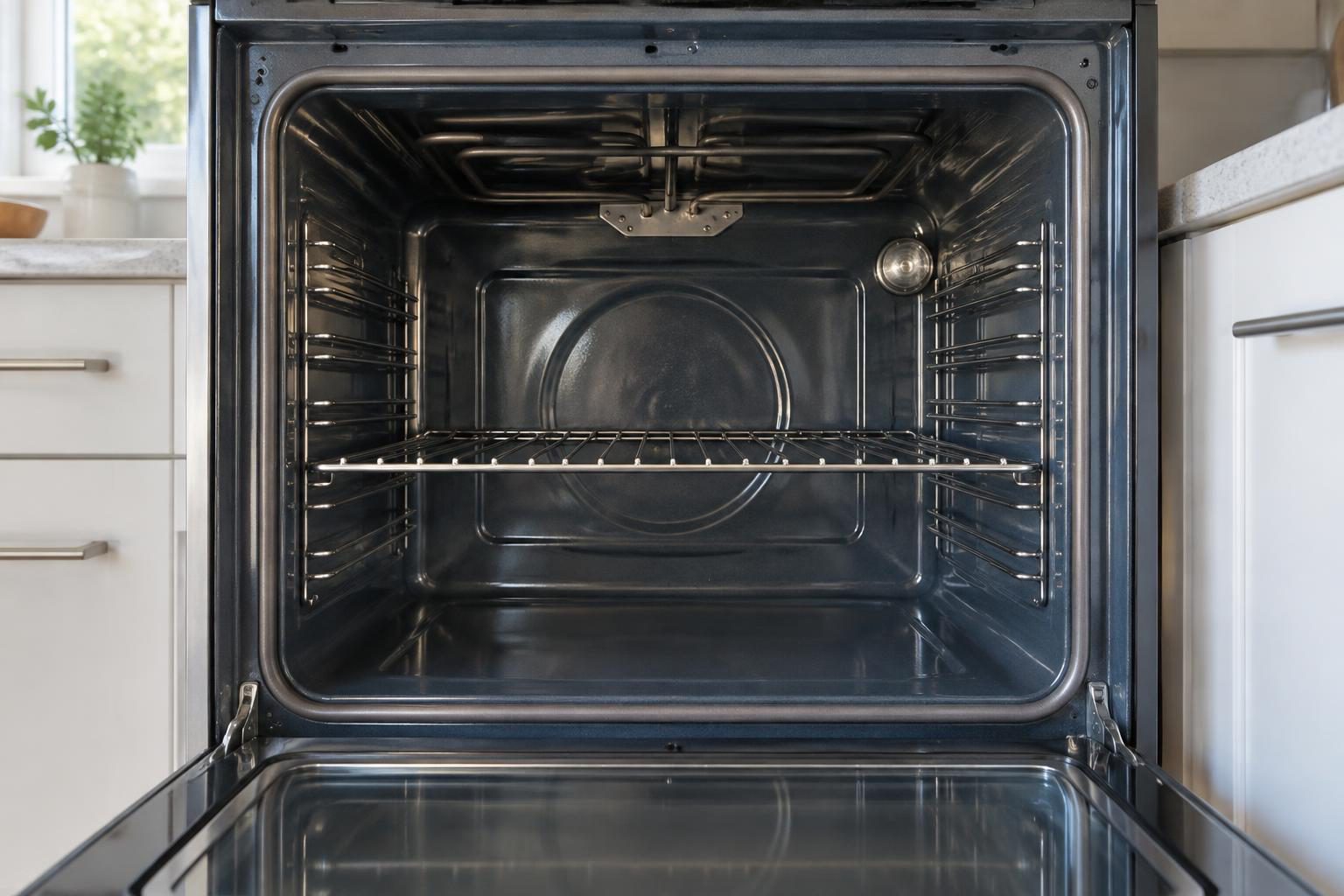
A gas oven needs a functioning ignition system to light its burner. An ignition fault can prevent heating even when the controls respond normally. Working stovetop burners do not rule out an oven-specific problem. The ignition system and temperature sensor are among the components a technician may need to investigate.
Leave burner, igniter, valve, and gas connection work to a qualified professional. Do not attempt to light the oven manually or keep restarting it after unsuccessful ignition attempts.
If you smell gas or suspect a leak, leave the area immediately. Do not operate appliance controls, electrical switches, or a phone near the suspected leak. From a safe location outside, call 911 and your gas utility. An appliance service appointment is not a substitute for an emergency gas response.
4. Temperature Cycling and Calibration
An oven does not hold one exact temperature continuously. Its heat cycles on and off around the selected setting. A single thermometer reading above or below that setting does not automatically mean something is broken. Opening the door to check the reading can also change the temperature.
Look for a repeatable pattern across several cooking sessions using consistent recipes, cookware, and rack positions. Follow your manufacturer's recommended performance check rather than adjusting calibration after one disappointing meal.
Some ovens allow a temperature offset through their controls. Use only the procedure in your model's manual. Calibration can address a consistent temperature difference; it cannot repair a failed heating component. If performance changes suddenly or becomes unpredictable, arrange diagnosis before changing the offset.
5. Airflow, Cookware, and Door Seal Issues
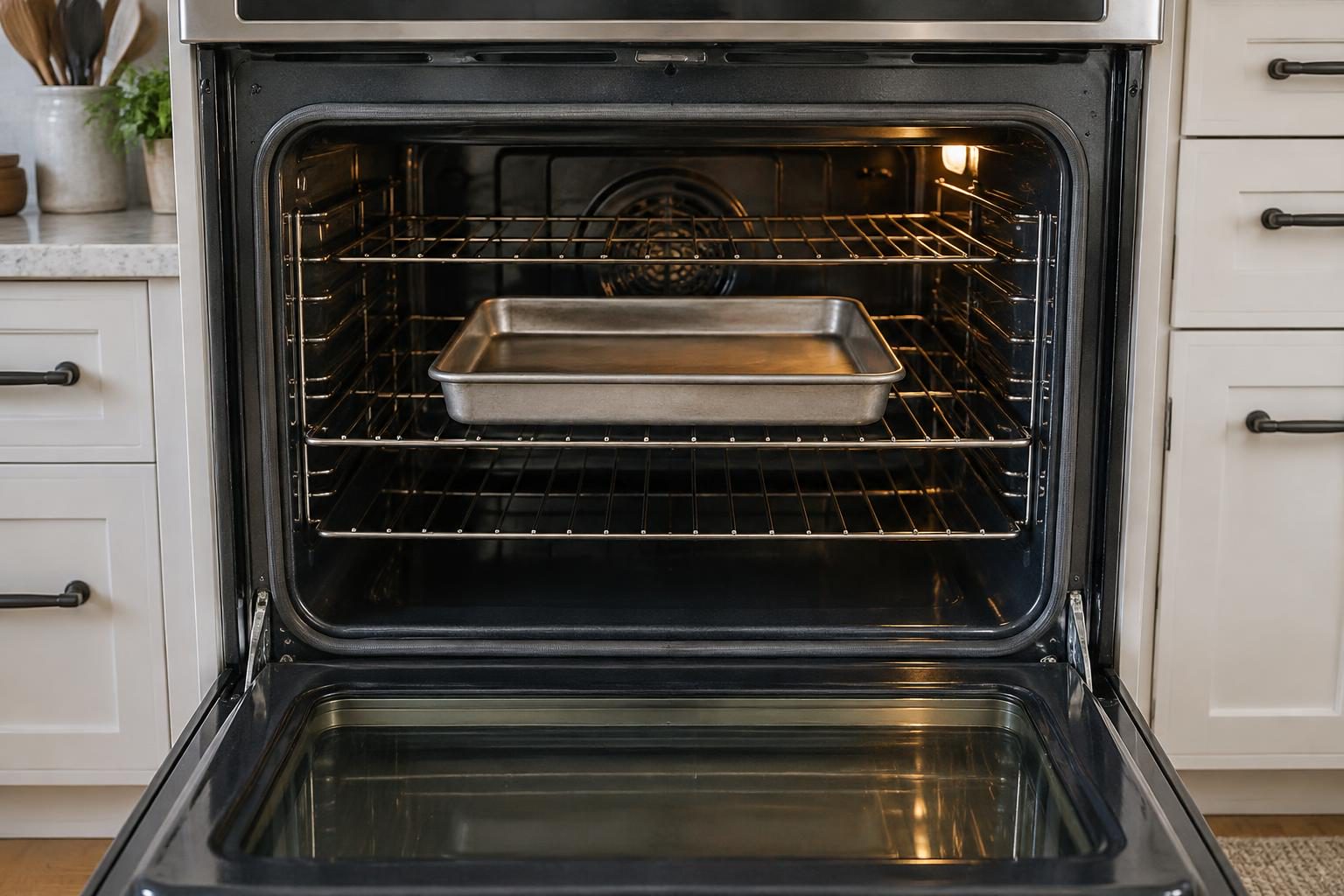
Uneven cooking can begin with how food is arranged. Crowded pans restrict circulation, while rack position changes how strongly food receives heat from above or below. Dark cookware can also brown food differently from lighter pans. Follow the recipe and your oven's rack placement guidance, leaving space around cookware.
Do not line the oven floor or cover an entire rack with foil. These practices can obstruct airflow, trap heat, and create hazards. Use liners only where your specific manufacturer's instructions permit them.
With the oven off and cool, visually check for a torn gasket or something preventing the door from closing. Some warmth around the door is normal; an oven is not airtight. Visible seal damage, a misaligned door, or scorching around the opening warrants professional inspection.
6. When to Schedule Professional Oven Repair
Arrange service if basic checks do not resolve the problem, the oven stops heating, or cooking results become consistently unreliable. Stop using it if you notice sparking, an electrical burning odor, or repeated breaker trips.
Before the appointment, record the model number, error messages, affected cooking mode, and when the problem began. Explain whether the issue happens every time or only after the oven has been running. These details help guide troubleshooting.
APA Appliance Repair inc. provides oven and range repair in Marin County and selected East Bay communities. If your oven still heats poorly after the safe checks above, schedule service to have the cause assessed.